Posts

Showing posts with the label Bacalhau

The seafood market in Portugal: Driving forces and consequences

Image
One of the main reasons why I went to study during four years the Portuguese seafood consumption, was to answer this question: "Why do Portuguese people eat so much seafood?" This was also the first question that people made me after I started explaining my PhD research project. It is understandable that a country with a vast territory in coastal area, has high tradition in eating seafood. But UK and Italy for example, are also countries with high coastal areas and they do not reach such a high seafood consumption per capita as Portugal. So why is this happening in Portugal? Putting it in simple words: it is because of bacalhau . And then the following question comes: "Why Portuguese people eat so much bacalhau , even though it does not exist in Portuguese waters?" The tradition of eating bacalhau in Portugal exists since long time ago. It stared in the 15th century but the consumption of bacalhau has never been as high as in the 20th century. The inter...

O peixe que comemos e o que pescamos: duas realidades num só prato

Image
definir consumo sustentável de pescado é um grande desafio para a maioria de nós. muitas são as dúvidas que se colocam, e apesar da informação que existe, é difícil criar critérios coerentes. mais aqui , no artigo da Newsletter da LPN.

the bacalhau story

História a História an human legend that starts in the 15th century. but only in the 20th century it grows as a political issue. 6 months in the other side of the ocean with low paid labour. each man alone in a small boat, fishing with a line and returning to the main boat after 8 hours, to work even hours more until the fish was prepared and salted. the government at that time, a dictatorship, helped the owners of the boats, supply chain industries and fishermen organizations in order to have cheap salted and dried cod to feed the people. at the same time promoted a symbol of a country bringing back again richness from sea (after the Portuguese discoveries in 15th and 16th centuries). then trawlers came and the overfishing situation gave less fish and smaller with consequently economic losses. Economic Exclusive Zones were created, Portugal joins the European Community and national fisheries became ruled by the Common Fisheries Policy. after this all story Portuguese stil...

Biodiversity in the supermarket

I think it is very interesting to understand the biology of food. I'm always curious to know more about: where it comes from, how it was grown, and how it came to the supermarket shelf. It is not easy to have such a broad knowledge. Nowadays we have everything, during all the time, available to consume. We do not even care or understand the seasonality of food production. It is not easy to chose when we cannot understand how much it requires to bring that small living thing until the shelf in our food store. This project shows the biodiversity in the supermarket.  It is fun to show the many fish one can find in a Portuguese supermarket... Biodiversidade no Hipermercado - Um Mar de Peixes from Terra Líquida Filmes on Vimeo . ...but bacalhau is not a Portuguese fish! Maybe it would be better to say that it is a Portuguese way to prepare fish that comes from Norway, Iceland or Newfoundland (North-West Atlantic) .

The empty feeling of no conclusions

Image
When I started the PhD, the cod stocks were in very bad shape. On the opposite, sardine is a fish from low level of the marine food web; catch with purse-seining, a fishery with relatively low environmental impacts, and had greater potential of consumption in Portugal, since Portuguese love more sardines than any other people. Because Portuguese eat so much cod, it would be great if they would eat more sardine (or other small pelagic fish) instead. It turns out that after some years of trying to have something interesting to say in a PhD thesis... The cod is not so bad because some stocks (not all!) as for example the Norwegian, recovered and are now certified by MSC . Plus this year the North Sea cod stock seems that had finally recovered . And Portuguese sardine stock (Iberian stock) had problems, with consequent s uspension of the MSC certification in 2012. Now more and more evidences show that it is a threat to marine life the depletion of sardine stocks, with importan...

Are we overfishing the oceans?

The world's marine fisheries peaked in the 1990s, when the global catch was higher than it is today.  And the populations of key commercial species like bluefin tuna and cod have dwindled, in some cases falling more than 90 percent.  ... The amount of effort that fishermen have put into catching fish has increased significantly in the past three decades, as measured by engine power and days that fishermen spend at sea.  But the amount of fish actually caught has nevertheless stagnated since the 1990s. Yes, we are!

4 fish

Image
It has been some time since I have started to read this book : It is written by a journalist that likes to fish. He selected the four fish that are coming to dominate the modern seafood market and are visible footprints: salmon, sea bass, cod, and tuna. He tried to learn more about them and gives us general information about the way they have been produced. It has examples and facts about how people started to use them and how they have turned to be the most important fish in the world. I liked the way he ends the book, giving us the precious value of having a fish to eat: Fish: a crop, harvested from the sea that magically grew itself back every year.  A crop that never required planting.  The historical vocabulary around fish echoes this sentiment.  Think in the word “seafood”: how many genera and species are described by these two opaque syllables? Equivalents in other cultures are no less vague or misleading.  In most of the Western European...

God fish

Image
I usually talk about cod with other people when I speak about my work, both in Portugal and in Sweden. Even very far way, and with different cultural habits, in both places cod is the most appreciated fish. Now days there is a new fact for the discussion "should we eat or not cod?": cod stock from Norway is in the best shape than ever. And it is MSC certified. Are consumers aware about that? I'm not sure. Especially in Portugal, where most of the people do not even know about the cod collapse. A Swedish blogger went to an event about fish from Norway in this  restaurant , that sells fresh fish, and he have made his decision: I know it's fresh cod from sustainable stocks, but I do not know how to find it in the store. And I think it has the higher climate emissions and that bottom trawling destroys seabed so I still avoid it. To track the sustainability of the fish sold, they give information about the ...

Torsk, cod, bacalao ou bacalhau

Image
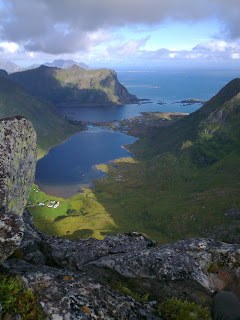
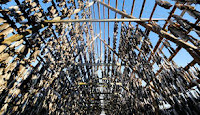
Lofoten é um lugar especial no norte da Noruega. Várias montanhas perdidas no oceano, ligadas entre si numa travessia que demora 6h por estrada. O mar está sempre no horizonte: uma linha azul que não se consegue separar entre o céu e os lagos.   É a terra do bacalhau,  Gadus morhua . O bacalhau chega no início do ano à costa. E há diferente tipos de bacalhau: podem migrar de longe ou viver próximo da costa. Skrei é o bacalhau que vem de longe: Skrei is Norwegian Arctic cod, but it’s a special run of this wandering ocean stock that’s renowned for its lean meat and distinct, delicious taste.  It’s also reported to have the highest nutritional value of all cod.  Every year between January and April the Norwegian coastline comes alive for the much anticipated skrei (pronounced “sk-rey”) season, when millions of large, mature fish undertake their annual journey from the Barents Sea back to their spawning grounds that surround Norway’s Lofoten is...

Happy birthday

Faz hoje 20 anos que o bacalhau do outro lado do Atlântico precisou de ajuda: It was 20 years ago that the province’s fishery changed forever.  Faced with a catastrophic decline in the cods stocks, former fisheries minister John Crosbie imposed a moratorium on July 2, 1992.  O primeiro colapso de um stock registado para a história.

Portuguese are eating more cod than ever before

Image
Exports of Norwegian clipfish to Portugal are doing very well, even though the country finds itself in a very serious economic situation.   Never before have exports of clipfish to Portugal been so high for the month of May, comments market analyst Ove Johansen from the Norwegian Seafood Council.   This tends to confirm market reports showing that the Portuguese are eating more clipfish than ever before. I thought that the economic restrictions will make people prefer fish less expensive. Cod is not a cheap fish to buy. It is possible to buy fresh fish in Portugal cheaper.  One just need to find some species that are not so popular.  It also depends on the season. Anyway, the Norwegian cod is  MSC  certified and the stock has been rebuilding. The sustainability criteria is not frightened. But Portuguese consumers could reduce the seafood consumption and at least diversify the species. 

Notícias do Pólo Norte

Image
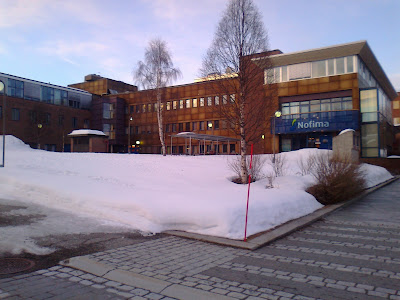
Pesca + peixe + bacalhau = Noruega. O país é lindo: uma costa de montanhas que acabam abruptamente no mar.  Os noruegueses são lindos, simpáticos e contentes.  E há peixe por todo o lado.  O Fábulas está em Tromso, norte da Noruega, no círculo Polar Ártico.  Tromso fica numa ilha rodeada por montanhas.  A paisagem é como se houvesse um cenário de fundo permanente.  As cores são lindas: azul do mar, castanho das árvores, branco e luz reflectida da neve.  Neve e mais neve... e frio... e mergulho!  O importante é ter boas roupas.  A natureza está lá fora à nossa espera.  Bons momentos dentro...    ...e boons momentos fora.

Queres um bacalhau? Então leva também um carapau!

Image
An interesting campaign launched by a supermarket in UK: The Un/usual suspects . Customers asking for one of the 'Big 5' species - cod, haddock, tuna, salmon or prawns - from its fish counters will be offered an alternative, lesser known species for free (alternative species in store such as coley, pouting and megrim). With 80% of fish sales currently made up of the 'Big 5', they believe this is the boldest move yet by any UK retailer to encourage customers to widen their repertoire in fish and make more sustainable choices. Taking Channel 4's Great British Fish Fight a step further, this unprecedented move allows customers to try varieties such as pouting, megrim, coley, and mackerel, in a risk-free way helping to alleviate pressure on declining fish stocks and reduce waste from fishing. Pode ser uma forma de evitar o desperdício de peixe fresco à venda no supermercado. E com o tempo pode ser que altere alguns hábitos dos consumidores. É de certeza uma forma de ...

Which fish are good to eat?

Image
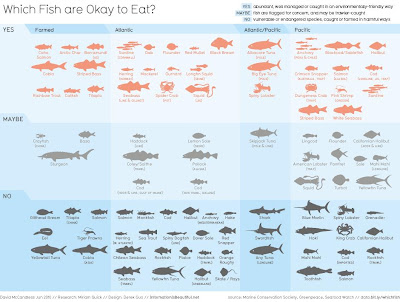
Um designer daqui juntou a informação disponível dos guias de consumo sustentável de peixe e construiu esta imagem: As ever, it's a pretty grim picture. Although there is some good news. Mussels, clams and oysters are all good to eat. Hopefully this visual snapshot will help you enjoy a cleaner conscience and a slap-up dinner of ocean-friendly fish'n'chips. É um exercício interessante tentar organizar a informação disponível sobre o consumo sustentável de peixe. A imagem está em inglês e alguns destes peixes nem se encontram no mercado português. Mas mesmo assim, tomando como exemplo o bacalhau - cod , é possível ver este peixe nos três tipos de classificação: yes, may be and no ! Imagino que a maioria das pessoas fica sem saber o que fazer depois de ver isto e se quiser que comprar um bacalhau. As diferenças na classificação dependem do método de captura ou da região onde o peixe foi capturado. Eu diria que é bastante complicado, quando a maioria dos consumidores sabe ...

Ter e desejar

Deste facto, e de que se aprecia menos o que se tem do que aquilo que se deseja, nasce o atenuarem-se as diferenças do que se sente, em relação às diferenças do que se ganha; e disto tudo tem o povo sua intuição, quando diz que dá Deus o frio conforme a roupa. Não se caia, porém, no exagero oposto, de supor que o nosso trabalhador tem o indispensável para viver, nem se eleve a excessiva sobriedade à categoria de grande virtude. Ferreira Dias Júnior | Linha do rumo – notas de economia Portuguesa | 1946 Encontrei esta pérola nas leituras sobre A alimentação Portuguesa de 1951. O bacalhau era uma das poucas fontes de proteína de origem animal que existia na época disponível para os portugueses. Por isso entra na nossa alimentação com a enorme importância que se mantém nos dias de hoje: era a carne dos pobres. Ao que tudo indica não havia fome, mas havia populações muito pobres, sobretudo a classe dos trabalhadores rurais. Para enganeram a fome comiam uma alimentação pouco variada, sobre...

A multiplicação dos peixes

Ocean Trawlers, the largest produce of cod and haddock in the Barents Sea, has a message for the media swooning over TV appeals by celebrity chefs to abandon cod, and eat more Ôtrash' fish: Buck up and eat cod. For the first time ever scientists are recommending sustainable cod harvests of over 1 million tons in the Barents Sea. Norway and Russia's haddock population has tripled in the past decade. Yet in the UK, encouraged by supermarkets and TV chefs, people are acting like if they eat cod its a crime! Daqui Será que daqui a uns tempos temos de dizer: por favor, comam mais bacalhau? O bacalhau este ano parece ter aumentado. Quase todas as cotas de bacalhau aumentaram, exceptuando no Mar do Norte e a indústria de bacalhau está bastante satisfeita. For the first time in at least a century, U.S. fishermen won't take too much of any species from the sea, one of the nation's top fishery scientists says. The projected end of overfishing comes during a turbulent fishing year...

Pesca do bacalhau

Heróis ou trabalhadores? Coragem ou necessidade? Histórias do peixe que mudou o mundo. É incrível ver estas imagens, ver a pesca, as condições e os desafios a que o povo estava sujeito naquela época. Há também um documentário sobre a pesca do bacalhau do Canal 2 aqui .

Cod is coming back

Já aqui tinha falado que o bacalhau está a recuperar. Ainda não há grandes consequências e negociações. Mas é também necessário perceber o que está a acontecer: quais vão ser as consequências no meio marinho em relação ao resto da cadeia trófica? as presas que servem de alimento ao bacalhau vão diminuir (normalmente crustáceos e lagosta)? e as pescarias associadas a estes recursos? serão este dados de recuperação suficientes para aumentar a pesca? e se forem relacionados apenas com uma variação pontual das condições climáticas, como por exemplo a temperatura? A questão lançada pela WWF é também interessante, o que é melhor: deixar que se continue a apanhar bacalhau como pesca acessória, de uma forma que pode ter maiores consequências para o ambiente, ou ter uma pesca autorizada e bem controlada? Porque sendo apenas uma espécie possível de apanhar como pesca acessória, podem acontecer várias ilegalidades como por exemplo apanhar o máximo de pesca acessória e desperdiçar o resto dos out...

O fiel amigo

Gostava de perceber porquê o bacalhau, de perceber toda a história, de embarcar nos barcos, de pescar bacalhaus! Tenho estado interessada em perceber o comportamento de acasalamento do bacalhau. Pelos vistos é bastante complexo, com um género de movimentos em associação com roncos! Roncos?! debaixo de água...como é que as fêmeas ficam atraídas com roncos?! Se de tal forma fortes que prejudicam as telecomunicações subaquáticas dos submarinos . E vou ler isto . Entretanto vi mais algumas fábulas: O modo de o cozinhar foi sendo apurado e tornou-se num prato de nobres tradições. Numa carta ao historiador Oliveira Martins, Eça de Queiroz descrevia a sua paixão pelo peixe de águas frias: “ um gosto depravado pelo fadinho e no justo amor do bacalhau de cebolada.” Terá sido outro escritor da mesma época de Eça, quem generalizou o apetite pela iguaria nas mesas portuguesas: “Foi Ramalho Ortigão quem propagou a consoada, que era uma tradição exclusivamente minhota, para o Sul do País”, garante....

O Bacalhau está a recuperar...

The European Commission tabled yesterday its proposal on fishing possibilities for fish stocks in the Baltic Sea for 2010. Scientific advice has shown that cod stocks are recovering, but that the Western herring stock still gives rise to serious concern. Based on the advice and in line with the communication on fishing opportunities for 2010 and the multi-annual plan for cod in the Baltic Sea, the Commission proposes increases of fishing opportunities for Baltic cod of 15 % ( Eastern stock ) and 9 % ( Western stock ). For the Western herring stock, the Commission is proposing a 21 % reduction in fishing opportunities. The present proposal for fishing possibilities shall be discussed at the October Fisheries Council. Cod stocks The Commission is proposing an increase of 15 % in the EU Total Allowable Catch (TAC) for eastern Baltic cod, from 44 580 tonnes to 51 267 tonnes, and an increase of 9 % in the TAC on western Baltic cod, from 16 337 tonnes to 17 700 tonnes. The Eastern cod stock ...